Exploring Nature's Beauty: Landscape Photography Adventures
Nature has an incredible way of captivating our senses, and landscape photography allows us to capture that beauty in a single frame. Whether you are an aspiring photographer or a seasoned pro, the thrill of exploring the great outdoors and documenting its splendor is unmatched. In this blog post, we will delve into the art of landscape photography, share tips for capturing stunning images, and inspire you to embark on your own photographic adventures.
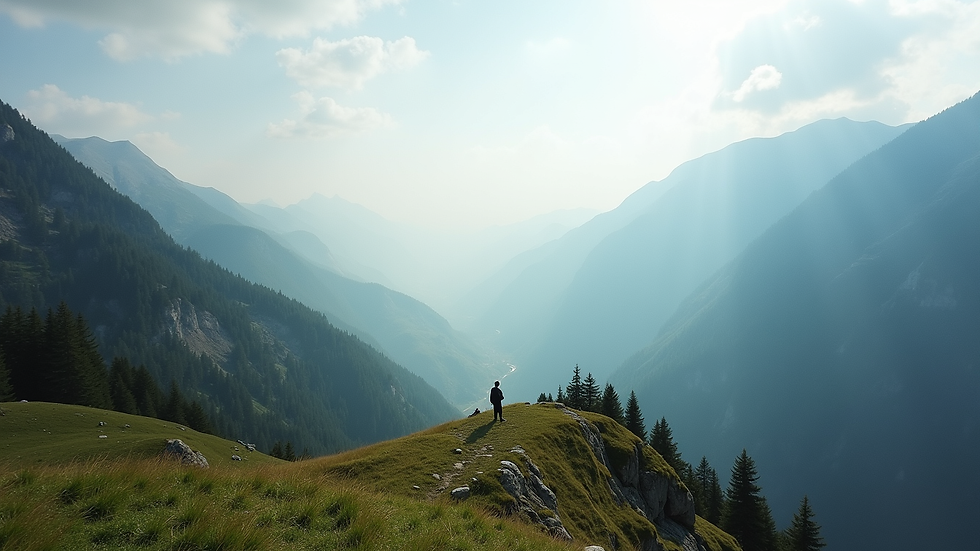
Understanding Landscape Photography
Landscape photography is more than just pointing and shooting. It involves a deep understanding of composition, lighting, and the environment. Here are some key elements to consider:
Composition
Composition is the arrangement of elements within your frame. A well-composed photograph draws the viewer's eye and creates a sense of balance. Here are some techniques to enhance your composition:
Rule of Thirds: Divide your frame into a grid of nine equal parts. Place key elements along these lines or at their intersections to create a more dynamic image.
Leading Lines: Use natural lines in the landscape, such as roads, rivers, or pathways, to guide the viewer's eye through the photograph.
Framing: Use elements in the foreground to frame your subject. This adds depth and context to your image.
Lighting
Lighting is crucial in photography, especially in landscapes. The golden hours—shortly after sunrise and before sunset—offer soft, warm light that enhances colors and textures. Here are some tips for working with light:
Golden Hour: Aim to shoot during the golden hour for the best natural light. The soft glow can transform ordinary scenes into extraordinary images.
Cloudy Days: Overcast skies can create a diffused light that reduces harsh shadows and highlights. This is ideal for capturing details in the landscape.
Backlighting: Experiment with backlighting to create silhouettes or highlight textures in your subject.
Equipment Essentials
While you can capture beautiful landscapes with a smartphone, having the right equipment can elevate your photography. Here are some essentials:
Camera: A DSLR or mirrorless camera allows for greater control over settings and image quality.
Lenses: A wide-angle lens is ideal for capturing expansive landscapes, while a telephoto lens can help isolate distant subjects.
Tripod: A sturdy tripod is essential for long exposures and ensuring sharp images, especially in low light.
Planning Your Adventure
Before you head out, planning is key to a successful landscape photography adventure. Here are some steps to consider:
Research Locations
Identify potential locations that offer stunning landscapes. Websites like AllTrails and local photography groups can provide insights into the best spots. Consider the following:
Accessibility: Ensure the location is accessible and safe for your skill level.
Seasonality: Different seasons offer unique landscapes. Research when to visit for the best conditions.
Weather: Check the weather forecast to avoid unfavorable conditions. Sometimes, dramatic weather can enhance your images.
Timing Your Shoot
Timing is everything in landscape photography. Here are some tips:
Scout Locations: If possible, visit your chosen location ahead of time to identify the best angles and compositions.
Plan for the Golden Hour: Arrive early to set up and capture the best light. This may mean waking up before dawn, but the results are worth it.
Techniques for Stunning Landscape Photography
Once you're on location, it's time to put your skills to the test. Here are some techniques to help you capture breathtaking landscapes:
Long Exposures
Long exposure photography can create stunning effects, especially with moving water or clouds. Here’s how to do it:
Use a Tripod: A stable base is essential for long exposures to avoid camera shake.
Neutral Density Filters: These filters reduce the amount of light entering the lens, allowing for longer exposure times without overexposing the image.
Shutter Speed: Experiment with different shutter speeds to achieve the desired effect. A slower speed can create a silky effect on water.
Focus Stacking
Focus stacking is a technique used to achieve a greater depth of field in your images. This is particularly useful in landscape photography where you want both foreground and background in focus. Here’s how to do it:
Take Multiple Shots: Capture several images at different focus points, from the foreground to the background.
Merge in Post-Processing: Use software like Adobe Photoshop or Lightroom to combine the images into one sharp photograph.
Panoramic Shots
Panoramic photography allows you to capture wide vistas that a single frame cannot encompass. Here’s how to create stunning panoramas:
Overlap Shots: Take multiple images with a slight overlap (about 30%) to ensure a seamless stitch in post-processing.
Use a Tripod: A tripod can help maintain consistent height and level between shots.
Post-Processing Your Images
Post-processing is an essential part of landscape photography. It allows you to enhance your images and bring your vision to life. Here are some tips:
Basic Adjustments
Start with basic adjustments to improve exposure, contrast, and color balance. Use software like Adobe Lightroom or Photoshop for these edits:
Exposure: Adjust the exposure to ensure your image is well-lit.
Contrast: Increase contrast to add depth and dimension to your photograph.
Color Balance: Adjust the color temperature to achieve the desired mood.
Advanced Techniques
Once you’ve mastered the basics, explore advanced techniques to take your images to the next level:
Dodging and Burning: This technique involves selectively lightening (dodging) or darkening (burning) areas of your image to add depth and focus.
Sharpening: Apply sharpening to enhance details, especially in the foreground.
Sharing Your Work
Once you’ve captured and edited your stunning landscapes, it’s time to share your work. Here are some platforms to consider:
Photography Websites: Create a portfolio on platforms like 500px or SmugMug to showcase your best work.
Social Media: Share your images on Instagram or Facebook to connect with other photography enthusiasts.
Local Exhibitions: Consider displaying your work in local galleries or community centers to reach a broader audience.
Conclusion
Landscape photography is a rewarding pursuit that allows you to connect with nature and express your creativity. By understanding composition, lighting, and techniques, you can capture the beauty of the world around you. Remember to plan your adventures, experiment with different styles, and share your work with others. So grab your camera, head outdoors, and start exploring the breathtaking landscapes waiting to be captured. Your next great shot is just around the corner!
Comments